 SkyyCast
A virtual private network does one mechanical thing: it builds an encrypted tunnel between your device and a server run by the VPN provider, and everything your device sends to the internet goes through that tunnel first. The VPN server then forwards your requests to their real destinations and passes the responses back. From the outside, your traffic appears to come from the VPN server, not from you.
That single change has a specific set of consequences. It is genuinely useful for some things and does nothing for others, and the marketing around VPNs tends to blur the two.
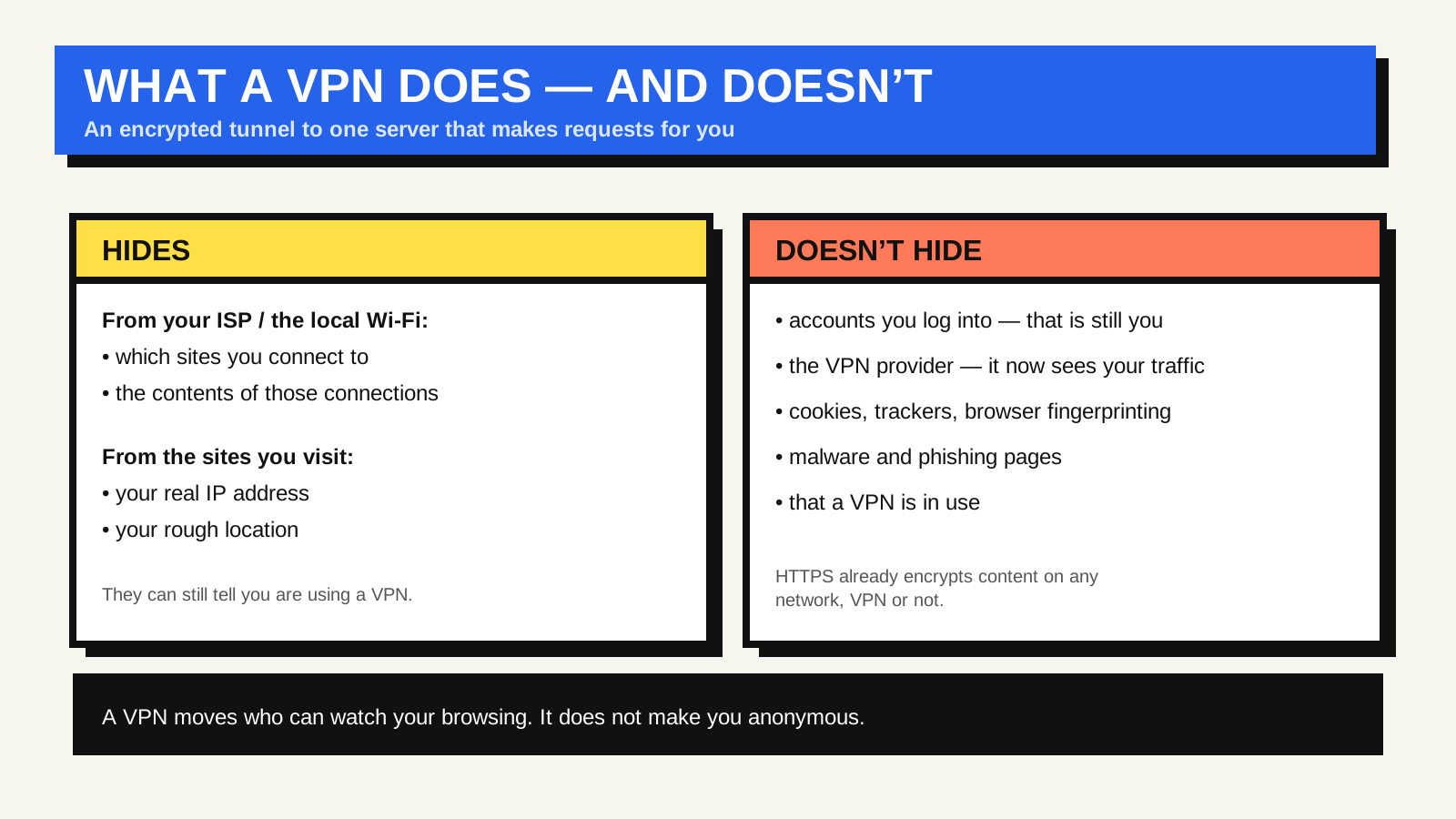
What it hides, and from whom
The people who lose visibility are the ones between you and the VPN server: your internet provider, a mobile carrier, or whoever runs the Wi-Fi you are on. Normally they can see the domains you connect to (through DNS lookups and the unencrypted server-name part of a secure connection) even when they cannot read the contents. With a VPN, all they see is a single encrypted stream to one server. They know you are using a VPN; they do not see which sites are on the other side.
The websites you visit also stop seeing your real IP address, which carries a rough location and identifies your connection. They see the VPN server’s address instead. That is what lets a VPN make you appear to be in another city or country.
What it does not hide
- The services you log into still know it is you. Signing in to an account identifies you regardless of your IP address. A VPN changes where the traffic appears to originate, not who you are once you authenticate.
- The VPN provider now sees what your ISP used to. You have not removed the party that can observe your browsing; you have moved that trust to the VPN company. Their logging policy and jurisdiction are the whole question.
- Trackers, cookies and browser fingerprinting still work. Advertising and analytics identify you through data your browser stores and reports, which a VPN does not touch.
- It is not antivirus. A malicious download or a phishing page is exactly as dangerous over a VPN as without one.
The HTTPS point
Most of the “protect your data on public Wi-Fi” case for VPNs was made before the web moved almost entirely to HTTPS. When a connection is encrypted end to end — which the browser now expects by default and flags when it is missing — someone sharing the café network already cannot read your passwords or messages. They can still see which sites you visit; a VPN hides that, but the raw “stranger reads your login over Wi-Fi” scenario is mostly a solved problem.
When a VPN is genuinely the right tool
- Reaching a private network — your workplace’s internal systems, or your own home network — from somewhere else. This is the original purpose of the technology.
- Getting around network-level blocking, such as a restrictive office, school or hotel network, or region locks on a service you are entitled to use.
- Keeping the network operator you are connected to from building a profile of the sites you visit — on the understanding that you are handing that same visibility to the VPN provider instead.
For the everyday “should I run one on coffee-shop Wi-Fi” question, the U.S. Federal Trade Commission’s consumer guidance on public Wi-Fi is a level-headed reference: the modern risks are smaller than they were, and a VPN is one reasonable option rather than a requirement.
Common questions
Does a VPN make me anonymous?
No. It changes your apparent IP address and hides your browsing from your network provider. Accounts you log into, cookies, and browser fingerprinting still identify you, and the VPN provider can see your traffic.
Is a free VPN fine?
Running a VPN service costs money, so a free one is monetising something else — often data or ads. Since using a VPN means trusting the operator with all of your traffic, the funding model is worth understanding before you rely on one.
Will a VPN stop my ISP seeing that I use a VPN?
No. Your ISP sees a single encrypted connection to a known VPN endpoint. It cannot see what is inside, but the fact that you are using a VPN is visible.